7 mistakes creators make in their first 90 days, according to tech insiders
The first ninety days of a creator's public life are, paradoxically, the period when authenticity matters least and strategic curation matters most.
The Trend Trap Is a Curation Problem
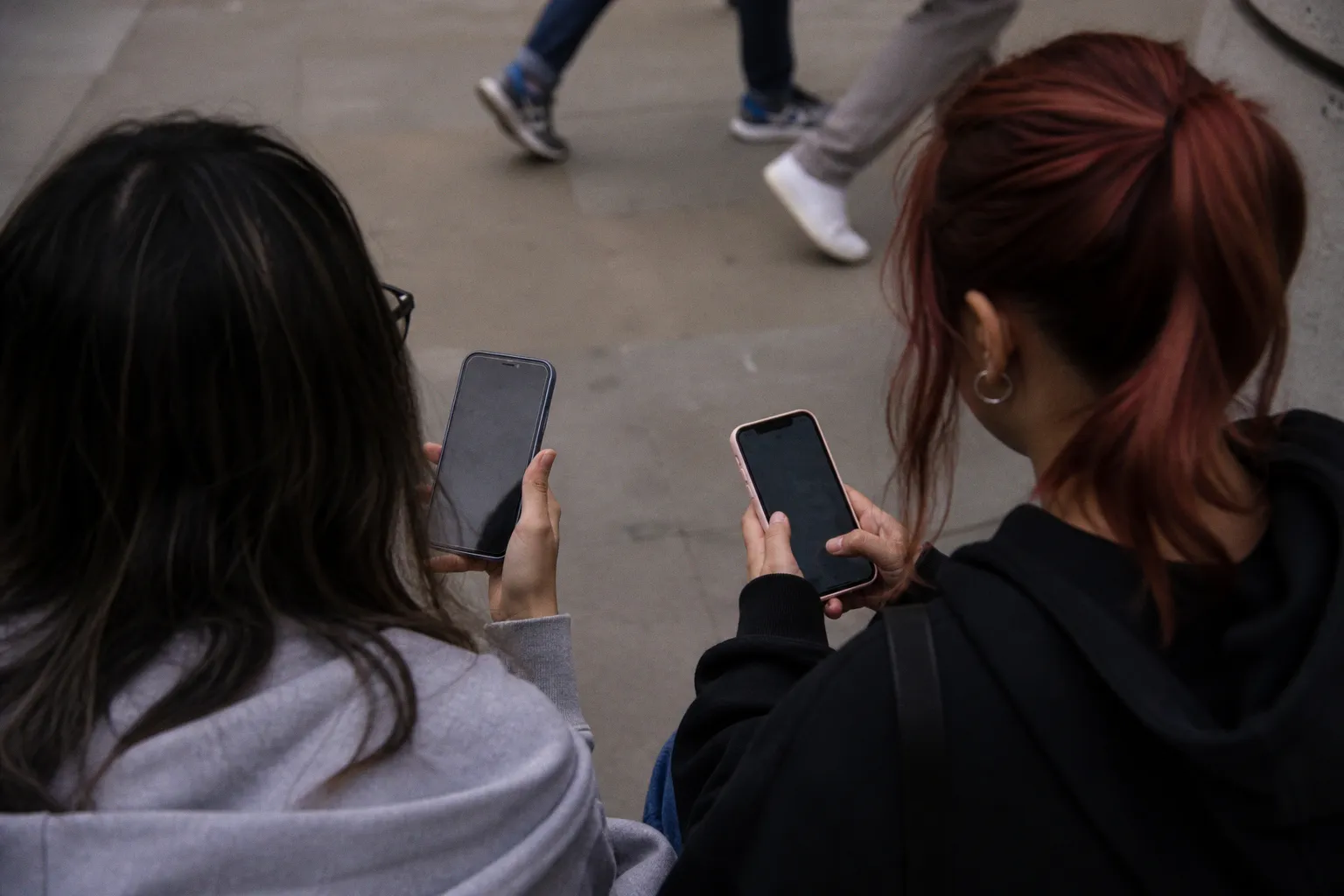
The most revealing moment from the panel, hosted by creator economy strategist Antonia Alakija, came when the experts dissected why new creators chase trends reflexively rather than selectively. Berry, speaking for Snapchat's creator team, framed it as a question of identity: if you participate in every viral moment, you participate in none of them. The 70/30 rule that Katie Sollenberger described at Instagram — seventy percent original content, thirty percent trends — isn't just a production guideline. It's a structural argument about how parasocial trust is built. Audiences don't bond with creators who mirror the feed; they bond with creators who bend it.
The tactical detail is equally telling. YouTube's Julia Hamilton Trost urged creators to use AI tools to monitor a trend's life cycle, to know whether they're catching a wave or arriving at the shore after it's already broken. "If it's everywhere, it's already too late," Sollenberger added, suggesting a twenty-four-hour window before a trend calcifies into cringe. This is hyper-visibility at its most compressed: the window between obscurity and saturation has narrowed to roughly the length of a long-haul flight.
Your Profile Is a Pitch Deck
Perhaps the most sociologically interesting advice concerned what happens before any brand deal materialises. Berry made the case that a public profile is, functionally, a portfolio — and that creators who want travel sponsorships need travel content already visible before a single partnership email arrives. This reframes the early days not as experimentation but as audition. You're not "finding your voice" in public; you're building a legible identity for both audiences and algorithms to parse.
The shift away from follower counts toward engagement metrics reinforces this. Sollenberger recommended switching to a professional account, auditing the past month's top three and bottom three posts for pattern commonalities, and timing uploads to audience activity windows. It's diagnostic work disguised as content creation — and it speaks to a broader maturation of the creator economy that extends well beyond individual strategy sessions.
An Industry Growing Up
That the creator economy is now underwritten on fundamentals rather than narrative momentum is evident in recent deal flow. A report from Quartermast Advisors documents seventy M&A transactions in the first half of 2026 alone, a twenty-three percent year-over-year increase, with media properties leading acquisition categories for the first time. Outside buyers — OpenAI, HubSpot, eBay — are entering the space, pricing companies on EBITDA multiples rather than hype cycles. Even Capitol Hill took notice, as a Syracuse University delegation met with policymakers during "Creator Row" to discuss legislative priorities. When institutional capital and federal attention converge on a sector simultaneously, it's a signal that the freewheeling era of "post and pray" is over.
The broader financial landscape matters here too. Recent volatility in tech-heavy markets has reminded investors that digital sectors carry real risk — and creator-backed businesses are no exception. The companies attracting premium valuations are those with defensible audiences and diversified revenue, not those built on a single viral moment. For new creators, the parallel is instructive: the same logic that rewards long-term audience investment in public markets rewards it in personal brand-building.
What the SXSW panel ultimately revealed is that the infrastructure around creators has become as sophisticated as the content itself. The first ninety days are no longer a grace period. They're the foundation of a public identity that platforms, audiences, and increasingly, corporate acquirers will evaluate — often before the creator has fully evaluated it themselves.