Celebrities and Influencers Report
58% of young consumers now trust online creators — a 19-point jump from 2022. But the real signal buried in YPulse's 2026 Celebrities and Influencers Report isn't the trust surge.

Trust Is Up, but Fatigue Is Higher
Two numbers tell the whole story. Trust in creators sits at 58%, nearly doubling in four years. Yet 62% of the same demographic reports being tired of seeing the same big names everywhere. That's a widening gap between brand-safe reach and actual audience receptivity. For brands still running bulk deals with top-tier talent, the ROI conversation just got more complicated. Creator-endorsed products — a $25 skincare balm, a no-name pressure washer — have turned into multimillion-dollar hits, per the report, but the conversion engine is increasingly mid-tier and micro-level.
The "Influencer" Label Isn't Dead — It's Just Splitting
Despite years of rebranding efforts, the word "influencer" still edges out "content creator" in common usage among young consumers, YPulse notes. That lexical stickiness matters for search, for pitching, and for ad-market pricing. Meanwhile, SociaVault Labs just dropped its own 2026 Creator Economy Pricing Report, introducing a Cost-Per-Engagement Index — a signal that the ad-tech layer is catching up to this fragmentation. Agentio's move to bring automated creator ads to Instagram and Facebook points in the same direction: programmatic infrastructure built for a long tail of creators, not a short list of celebrities.
Geographic Spread Is the Silent Variable
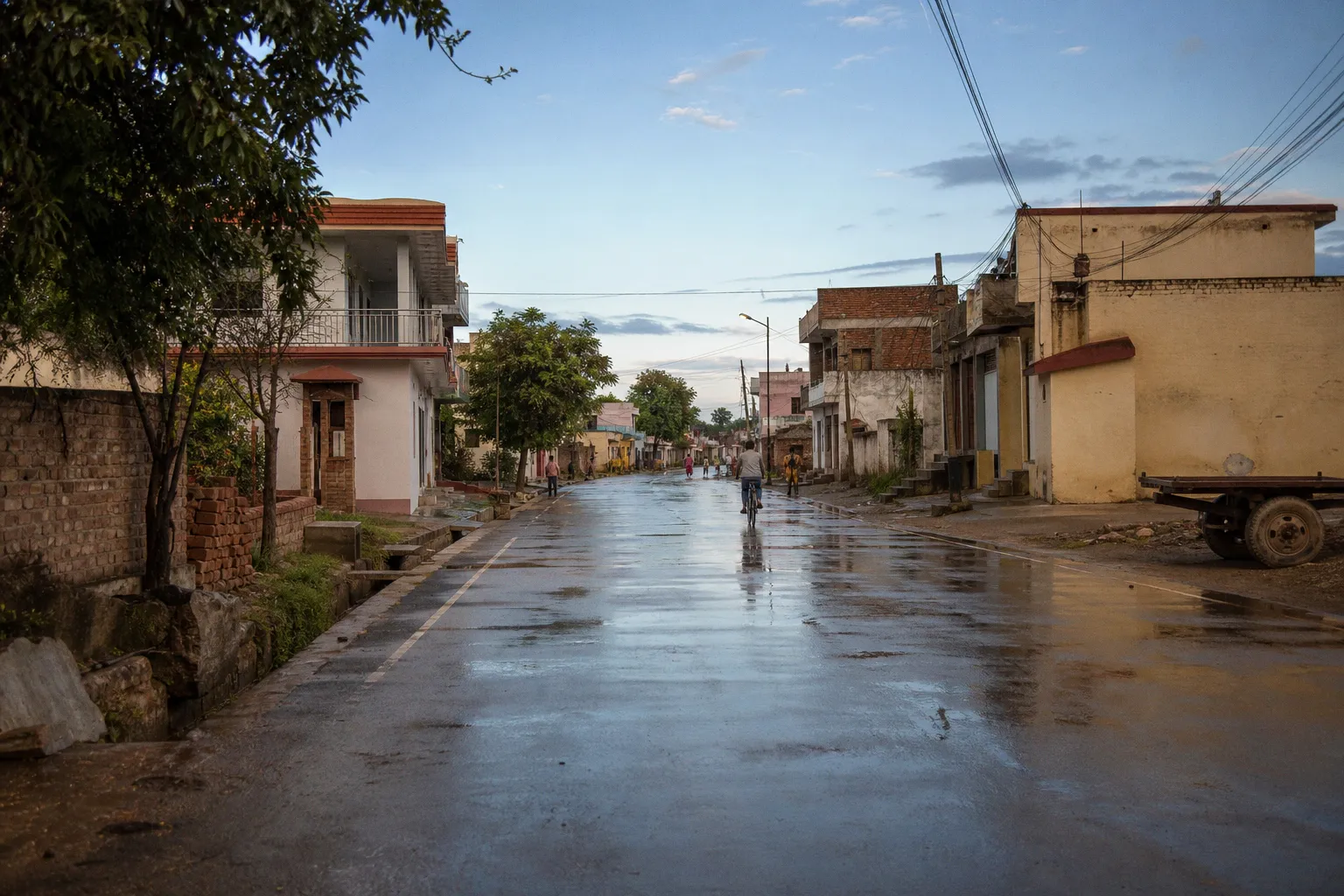
Two-thirds of India's creator base now originates from non-metro regions, according to a separate report covered by The Economic Times. That stat, stripped of local context, still carries structural weight: the supply side of the creator economy is decentralising at speed, and brand-creator matching algorithms will need to account for audience-geography splits that didn't exist two years ago.