Inside a content creator's dream home in Los Angeles
$1.3 trillion by 2033 is the number now hanging over every “creator dream home” headline. A new MSN item points readers inside a content creator’s dream home in Los Angeles, but the larger signal is not the décor.

For audiences tracking internet celebrities as businesses, the useful question is simple: is the house a lifestyle flex, a production asset, or both?
The Los Angeles home is the content unit
The MSN item is framed around a content creator’s dream home in Los Angeles. No further verified details are available from the supplied source text, so the safe read is structural, not decorative.
Los Angeles remains shorthand for the creator economy’s physical hub: brand meetings, collaborations, studios, talent networks, and proximity to entertainment capital. A home in that market is rarely just a private residence once it enters the content loop. It can function as:
- a filming location;
- a brand backdrop;
- a credibility marker;
- a collaboration space;
- a recurring visual asset for followers.
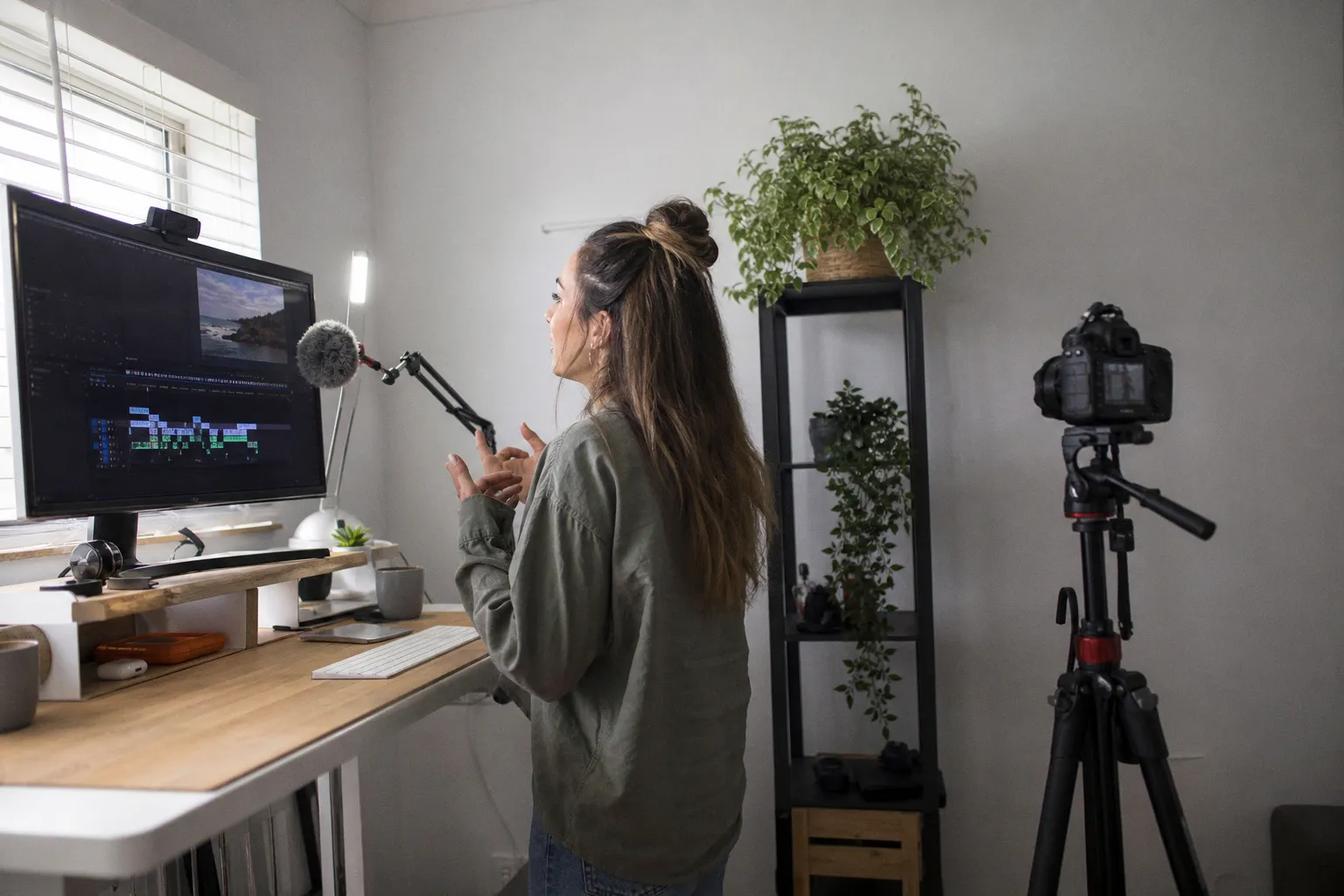
That matters because creator homes are now part of the monetization stack. A kitchen, pool, closet, office, or podcast room can become inventory. The ROI is not measured only in property value. It is measured in watch time, sponsorship fit, audience retention, and the ability to manufacture repeatable content without renting external locations.
The cynical read is also the accurate one: when a “dream home” becomes content, the home is no longer just a home. It is a set.
The market context is bigger than one address
The timing lands inside a broader creator-economy acceleration. DecisionMarketing reports that the global creator economy is set to reach $1.3 trillion by 2033. BW Businessworld is tracking India’s “always-on” creator economy. Net Influencer’s Cannes Lions 2026 coverage points to deals, doubts, and AI tension across 27 creator-economy voices.
Put together, these signals show a market moving in three directions at once:
- more capital chasing creator-led media;
- more pressure on creators to produce constantly;
- more uncertainty around AI, deal quality, and long-term defensibility.
That is the real frame for a Los Angeles creator home. The property is not just a trophy image. It is a response to platform volatility. If algorithmic decay hits a creator’s reach, owned production capacity becomes more valuable. If brand budgets tighten, a polished home studio can lower costs and preserve conversion. If audiences get bored, the house itself becomes a rotating content format.
This is why the “dream home” genre keeps working. It compresses business, aspiration, and surveillance into one package. Viewers get access. Brands get a clean environment. Creators get another surface to monetize.
What viewers should actually check
The practical test is not whether the house looks expensive. That is the lowest-value takeaway.
Watch for the operating model:
- Does the home appear in multiple content formats, not just one tour?
- Are rooms designed around filming angles, lighting, audio, or product placement?
- Does the creator use the space to launch partnerships, podcasts, live streams, or merch?
- Is the home presented as personal success, business infrastructure, or both?
- Does the content feel like a one-off flex, or a recurring asset in the channel strategy?
Those signals tell you more than square footage ever could.
The next phase of creator wealth will be less about viral posts and more about asset control: homes, studios, teams, formats, data, and distribution. The Los Angeles dream-home headline is part of that shift. The market is no longer rewarding creators only for being visible. It is rewarding those who can turn visibility into durable media infrastructure.
Bottom line: a creator’s dream home is now a balance-sheet story with better lighting.