TikTok and WSC Sports Partner to Give Rights Holders a New Way to Reach Fans Through Content Creators
TikTok has cut a strategic partnership with WSC Sports to push licensed sports clips through vetted creators. The pitch is simple: rights holders get more distribution without handing the keys to the archive to the open internet.
The deal is really about distribution control
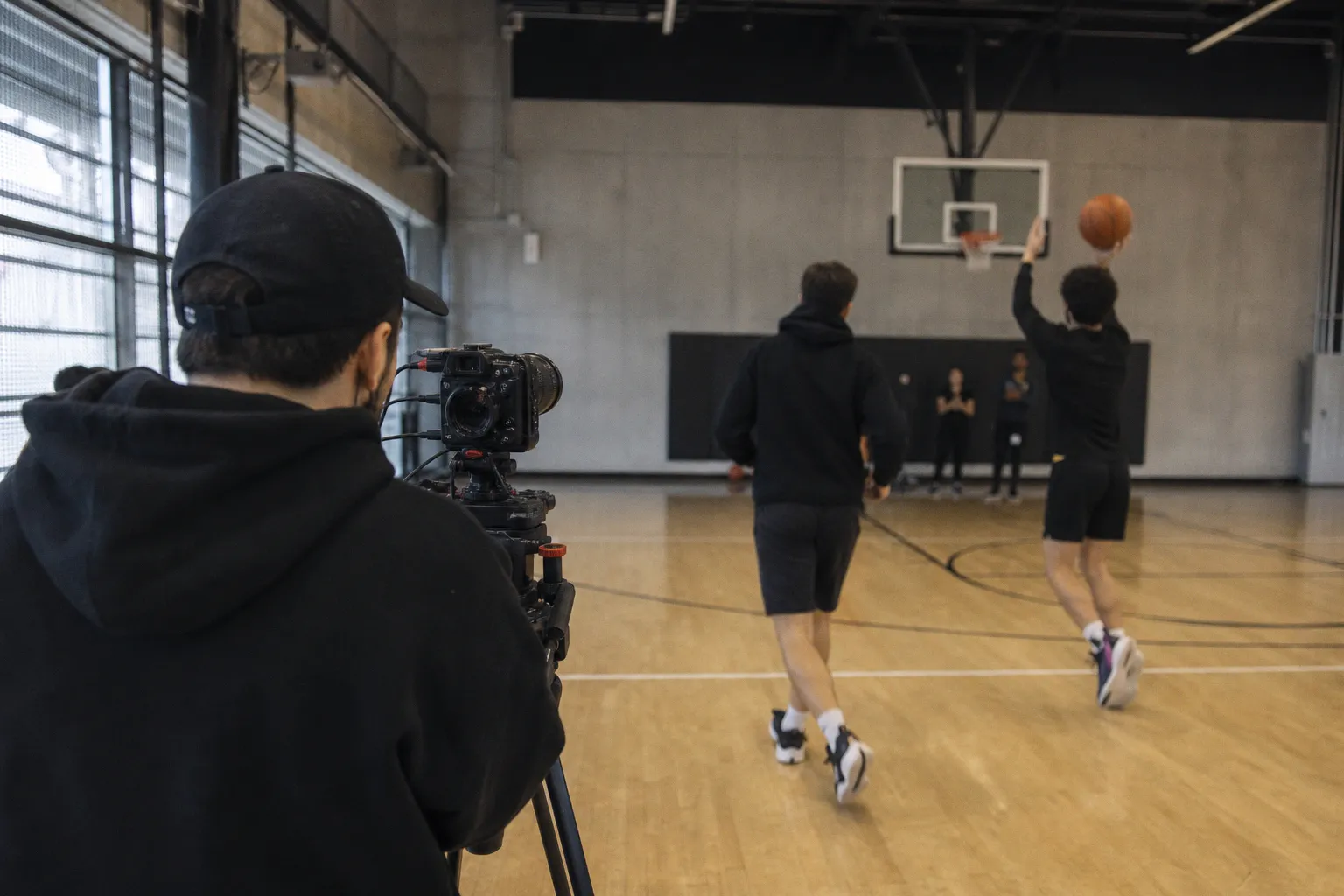
WSC Sports brings the infrastructure. Its platform lets creators search live action, archive material, and behind-the-scenes footage, then turn selected moments into vertical video for TikTok. The company’s AI-powered editing tools and Magicrop technology are designed to keep the action in frame and make clips ready to publish in minutes.
That matters because sports content has always had a rights problem. The best moments drive engagement, but they also sit behind licensing rules, broadcast windows, brand safety requirements, and league-level commercial interests. TikTok and WSC are positioning this partnership as a way to reduce that friction.
The key phrase is “vetted creators.” This is not a free-for-all remix economy. Rights holders get access to creator distribution while keeping work inside clear guidelines. That makes the model closer to managed syndication than organic fandom.
For the creator economy, the takeaway is blunt: access is becoming a monetizable advantage. The creator who can legally post premium sports footage quickly has a better conversion surface than the creator reacting to whatever clip is already circulating.
The creator role gets more professional, less improvised
WSC Sports is not only providing a content library and editing layer. Its internal content team will also give creators strategic guidance, including best practices, key storylines, and recommended moments.
That is a quiet but important pivot. It turns the creator into a distribution partner operating inside a content workflow, not just an independent commentator chasing the algorithm. The upside is obvious: faster publishing, cleaner assets, and a higher chance of relevance when a sports moment is still hot.
The trade-off is also obvious. More structure means less improvisation. Creators working in this system are likely to be judged on execution metrics: speed, fit, engagement, and brand safety. The old creator bargain — make noise first, ask permission later — does not work well when premium sports rights are involved.
TikTok’s Global Head of Sport, Rollo Goldstaub, framed the move around helping sports content reach new audiences and deepen fan engagement. WSC Sports’ Roy Sahaf described it as a faster, smarter way for rights holders to extend content into the creator ecosystem while keeping it licensed and brand-safe.
Strip away the release language and the commercial logic is clear. Rights holders want more output from the same footage. TikTok wants more high-performing sports inventory. Creators get differentiated material, but under tighter operating terms.
What creators and rights holders should watch next
The practical question is ROI. If creator-led distribution can produce incremental reach among younger audiences, sports organizations will have a reason to treat creators as part of the media plan, not a campaign add-on.
WSC Sports already works in AI-powered sports content creation and automation, with its materials naming clients and partners including the NBA, ESPN, YouTubeTV, LaLiga, and hundreds of other sports organizations. That gives the partnership a larger context: automated clipping plus creator distribution is becoming an operating model, not a novelty format.
For creators, the signal is to professionalize the back end. Rights-safe workflows, fast editing, repeatable formats, and a recognizable content style are becoming more valuable than broad “influence.” A creator who can package a licensed highlight into a TikTok-native post within minutes has a clearer business case than one selling vague awareness.
For rights holders, the next metric to watch is whether these creator posts create audience extension rather than just shifting views from owned channels to creator pages. If the model only redistributes existing attention, the ROI weakens. If it opens younger or less reachable fan segments, expect more leagues, teams, and broadcasters to copy the structure.
Bottom line: this partnership is not about TikTok discovering sports creators. It is about turning creators into a controlled distribution layer for licensed sports media. That is less romantic than the usual creator economy story — and much more scalable.