What Social Media Creators Can't Say About Their Job
The numbers don't lie, even when creators do.
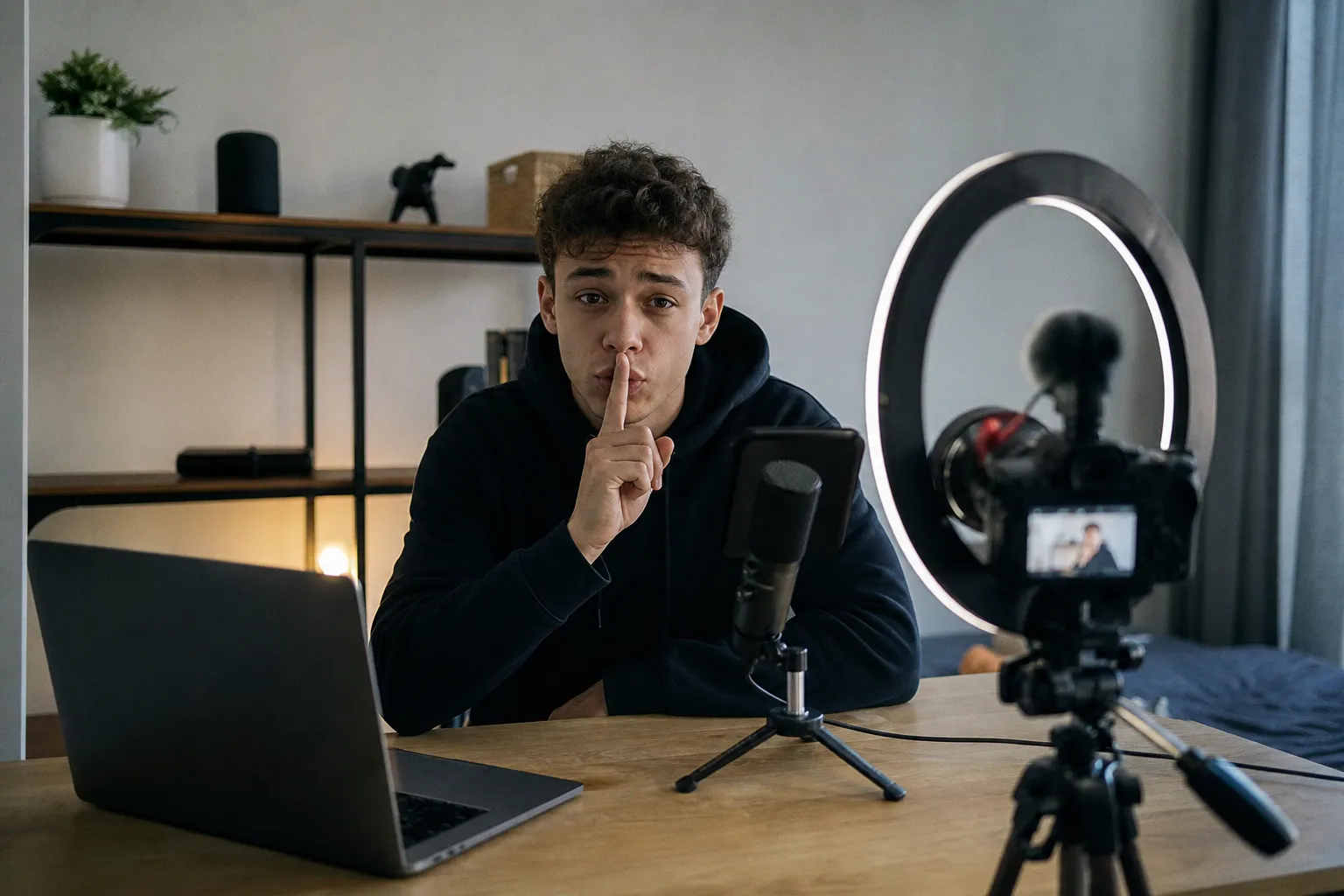
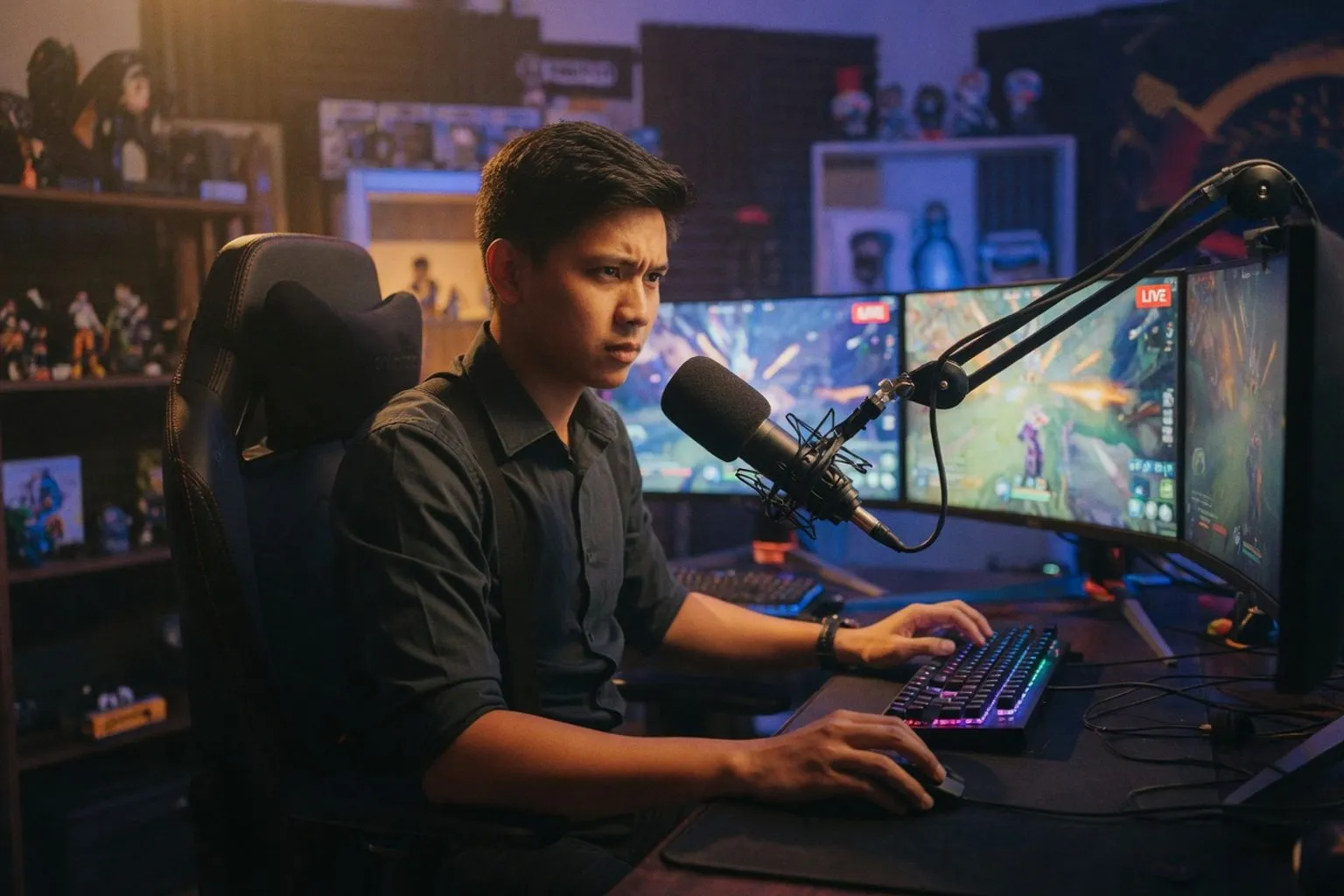
A new Cornell study, published July 7 in New Media & Society, analyzed 198 data points — 78 in-depth creator interviews, 62 media accounts, and 58 pieces of self-authored TikTok/YouTube content — to map the structural cost of platform-dependent labor. The headline metric: more than half of people aged 18 to 60 would quit their jobs to become full-time creators, according to a 2024 influencer marketing agency study cited in the research. Yet the labor economics behind the dashboard tell a different story. Creators operating as independent contractors have almost zero institutional protection from burnout, and publicly admitting exhaustion carries direct conversion risk — audience blowback.
The ROI of Silence
Researchers Brooke Erin Duffy and Rosie Nguyen (the latter a former Vietnamese travel influencer with five years in the game before pivoting to academia) coined the framework of "un/speakability." Translation: creators normalize exhaustion as operational overhead because speaking out destroys the fantasy that drives engagement. MrBeast — 28 years old, 500M+ followers, monetization since age 11 — put it bluntly: "There were definitely times where I would cry. But if my mental health was a priority, I wouldn't be as successful as I am." That's not a confession. It's a business calculation.
Independent Contractor, Infinite Liability
The structural issue is employment classification. Creators are neither employees nor freelancers in any traditional sense. They carry the downside of both: no benefits, no labor protections, yet full algorithmic dependency on platform economics they don't control. When algorithmic decay hits, when brand deals dry up, the creator absorbs 100% of the loss. Meanwhile, the audience — and the platforms — expect perpetual output. As one creator told the researchers: "I'm beholden to platforms, sponsors and audiences." That's not a grievance. That's a balance sheet.
The $250M Bet on Consolidation
The market is already pricing in this structural instability. This month, CAA and Integrated Media Co. announced a $250 million creator economy rollup venture. The logic: fragmented creator businesses with unsustainable labor models become acquisition targets for agencies that can industrialize operations, manage burnout risk, and extract arbitrage on individual brand deals. The creator stays on camera. The agency takes the margin.
What to Track
The research frames burnout as an industry-wide structural problem, not an individual failure. For creators, the bottom line is clear: diversification off-platform isn't optional anymore. For investors and agencies, distressed creator portfolios are the next asset class. The people who built audiences on authenticity are now the ones least able to talk about the cost of producing it. That asymmetry isn't a bug. It's the business model.