Why the Creator Economy Struggles to Foster True Community
According to a new Forbes analysis, the creator economy is winning the “I feel seen” meta — but it is still struggling to turn that recognition into actual belonging.

That distinction matters when nearly 40% of adults under 30 reportedly lean on influencers for news and cultural interpretation: for a lot of us, the feed is no longer just background noise, it is where identity, advice and community first collide.
Creators can absolutely provide the first W. They give people language for experiences that felt isolating, an in-joke that lands, a niche chat where nobody needs the whole backstory explained. But a viewer being understood by a creator is not the same thing as being known by other people.
Being seen is not a two-way relationship
Forbes’ core point is brutally simple: creator relationships are often asymmetrical. A streamer can make thousands of people feel like they are in the room — especially through a long grind, a vulnerable storytime or a perfectly timed “we’ve all been there” rant — while the actual relationship still runs one way.
That does not make it fake. Recognition has value. A person finding creators who speak about a shared identity, disability, craft or struggle may finally get the feeling that they are not alone. In internet culture, that can be the difference between lurking in silence and stepping into a subculture at all.
But parasocial comfort is not mutual commitment. It cannot automatically supply the give-and-take, practical care or accountability that makes a group hold together once the stream ends and chat scrolls off-screen.
The community test is what happens off-platform
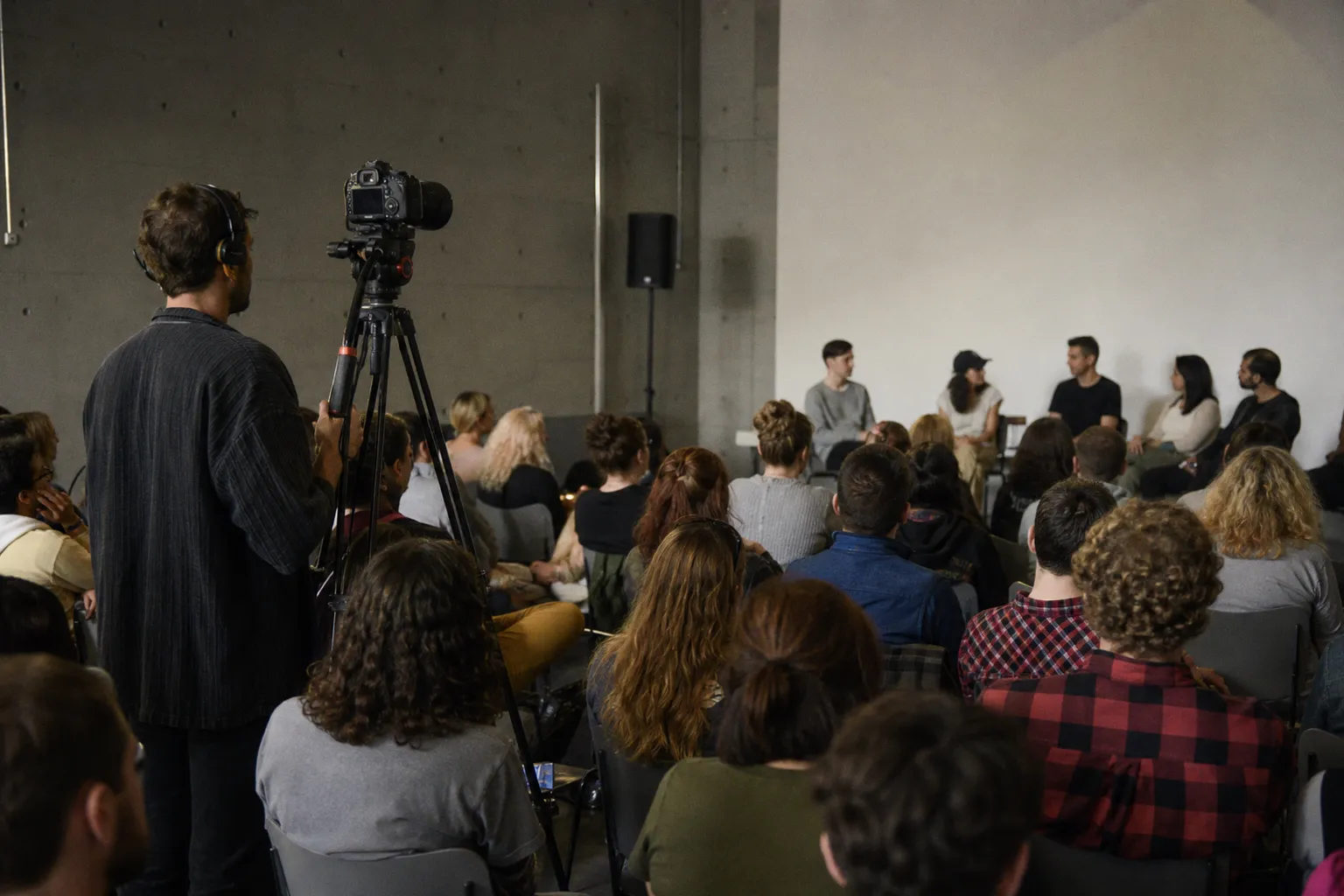
The analysis argues that a healthier creator economy would help audiences build real connections and judge success partly through offline impact — including meetups and support groups. That is the useful pressure test for creators, mods and communities: does this space create a path for viewers to know each other, or does it only keep them emotionally attached to the person on camera?
Not every channel needs to become an IRL club, obviously. But there is a huge difference between a Discord built around endless creator discourse and one where people can form reciprocal ties without fighting for the streamer’s attention. The first can be loud, loyal and permanently malding; the second has a chance of becoming a real W/L community that survives a hiatus, a platform shift or the next algorithm swerve.
For creators, that means the community layer cannot just be engagement bait. If every interaction routes back to the brand, the audience remains spectators — even when the vibes feel intimate.
Attention is growing; belonging is not guaranteed
The creator economy’s scale keeps expanding, with Forbes citing a projection that it could reach half a trillion dollars by 2027. Bloomberg, meanwhile, has flagged the emergence of a new creator-economy middle class — another sign that this is becoming a durable career ecosystem, not a side quest.
But the money story and the belonging story are not the same arc. Platforms are very good at monetizing attention, and creators are very good at making highly specific audiences feel recognized. The harder grind is making room for communities where people can support one another without turning every relationship into a proxy battle over a creator.
We have built feeds that know exactly what makes us feel seen. The question now is whether the communities around them can help us feel known.