Cannes Lions 2026: It Was Hot. The Creator Economy Was Hotter.
$224 million in earned media in ten days is the cleanest number out of Cannes Lions 2026.
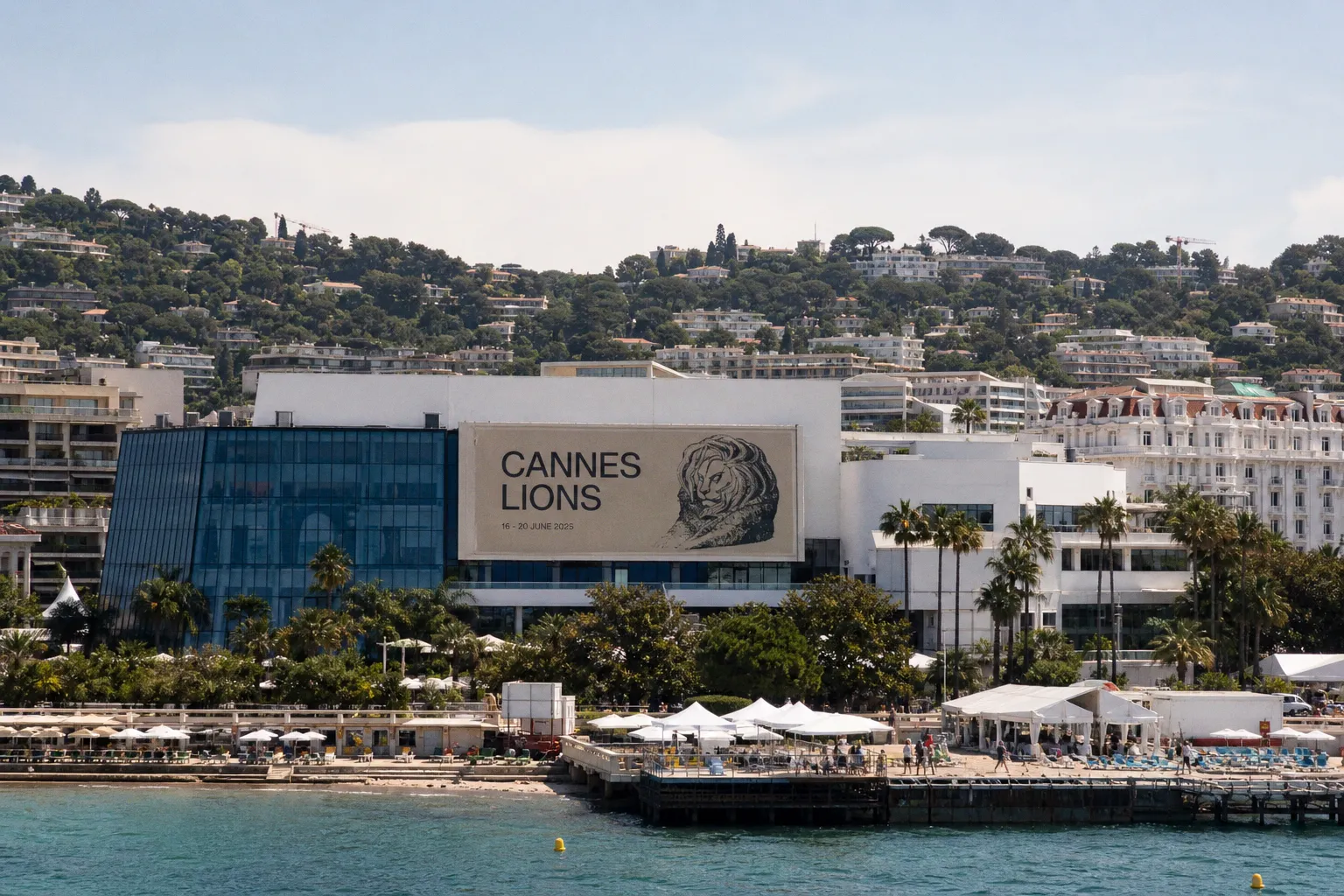
Cannes moved from reach to stake
The creator economy story at Cannes was not just “more creators in branded rooms.” It was a structural pivot.
According to Forbes, conversations ran from Creator Beach to the Carlton around the same commercial questions: which AI tools change production, who funds the next creator media company, how much content can be made, and how fast. Streamers were pitching originals. Production companies were packaging creators. Talent agents were walking brands through content slates.
For related context, see NFT art, PFP collections, drops and floor prices.
For related context, see YouTube accounts for 47 percent of music streaming, study claims.
That points to supply inflation. More long-form, short-form, livestream, vertical drama, and episodic content is coming. In a saturated market, that creates algorithmic decay by volume: more inventory, more choice, weaker default attention.
The Cannes awards signal, as reported by Forbes, was sharper. The campaigns that broke through gave audiences a real stake in the outcome. Not passive viewing. Not soft “engagement.” Participation that changes the story.
For creator businesses, that is the difference between a fan base and a distribution asset.
The KitKat case is the benchmark
The clean Cannes case study is KitKat.
Forbes reports that when 12 tons of KitKat bars disappeared before Easter, VML London and Burson turned the supply chain problem into a public mystery. Fans were asked to help find the missing chocolate. A digital tracker let people enter batch codes from their own bars to see if they held part of the missing haul.
The numbers matter:
- 31% share of voice across 93 markets.
- $224 million in earned media in ten days.
- More than 115 brands created their own riffs on the story.
- A verified lead surfaced for the real police investigation.
- The campaign won the PR Grand Prix and Gold Lions across Media, Social, and Creator.
That is not normal ad response. It is audience labor converted into media value.
The useful lesson for internet celebrities is not “do a mystery campaign.” That would be lazy replication. The operating principle is narrower: give the audience a task with visible consequence. Let fans supply data, decisions, proof, edits, votes, clues, formats, or distribution. Then make that input part of the public product.
That is where ROI becomes easier to defend. A viewer who watches is one unit of attention. A viewer who contributes becomes content, signal, and distribution.
What creator teams should check next
Twitch already proves the model at platform scale. Forbes notes that real-time chat, subscriptions, and emotes make viewer contribution visible. Streamers including Kai Cenat and IShowSpeed regularly draw audiences in the hundreds of thousands by building shows that respond to viewers in real time.
That is the creator economy’s practical advantage over traditional advertising. The feedback loop is live. The audience can alter the show while it is happening.
But the Cannes signal also exposes a risk. AI may increase production speed, and Business Insider’s headline frames power as AI’s next bottleneck. Net Influencer is covering the state of AI in the creator economy in 2026. MSN frames the wider shift as a move from virality to business longevity. Put together, the market direction is clear enough without overstating it: output is getting cheaper, but durable audience behavior is getting more valuable.
Creator teams should audit three things now:
- Does the format let fans affect the outcome, or only react after publication?
- Is audience participation visible enough to create status and repeat behavior?
- Can the resulting data, clips, comments, or decisions be reused as media inventory?
The bottom line: Cannes 2026 did not crown creators simply because they are culturally loud. It rewarded systems where audiences do unpaid, voluntary work because the mechanism gives them a stake. That is colder than the usual creator-economy pitch. It is also more bankable.