David Dobrik and the creator footprint after YouTube hiatus
David Dobrik occupies a strange space in creator culture: less present as a daily uploader, yet still structurally everywhere.
The vlog style that outlived the upload schedule
Dobrik first gained traction on Vine with short comedy clips before shifting his focus to YouTube vlogs around 2015, per AD HOC NEWS. That move carried Vine’s compressed comic timing into longer YouTube formats: quick cuts, sudden reveals, a friend-group universe, and the feeling that something chaotic might happen at any moment.
His classic uploads often ran around four minutes, built around dense editing and one oversized hook moment, frequently saved for the end. The recurring cast of friends — later widely recognized as the Vlog Squad — made the channel feel less like a solo diary and more like a serialized social world.
This was Dobrik’s most durable innovation: not simply the prank, the celebrity cameo, or the surprise giveaway, but the parasocial architecture around them. Viewers were not only watching a creator; they were being invited into a high-speed social circle where running jokes, reaction shots, and shared history did much of the emotional work.
Why his creator footprint still matters
AD HOC NEWS describes Dobrik’s back catalog as still available on his main YouTube channel, with hundreds of older vlogs continuing to reach viewers through recommendations and fan sharing. That is the quiet power of creator archives: even when the upload cadence changes, the format keeps circulating.
For today’s creator economy, Dobrik’s influence is visible in the group-vlog template that many younger personalities adopted — friends as cast, chaos as pacing, generosity as spectacle, brands folded into the narrative rather than separated from it. AD HOC NEWS notes that sponsorships were often integrated inside the story itself, a practice creator-economy observers have treated as an early form of native advertising in vlogs.
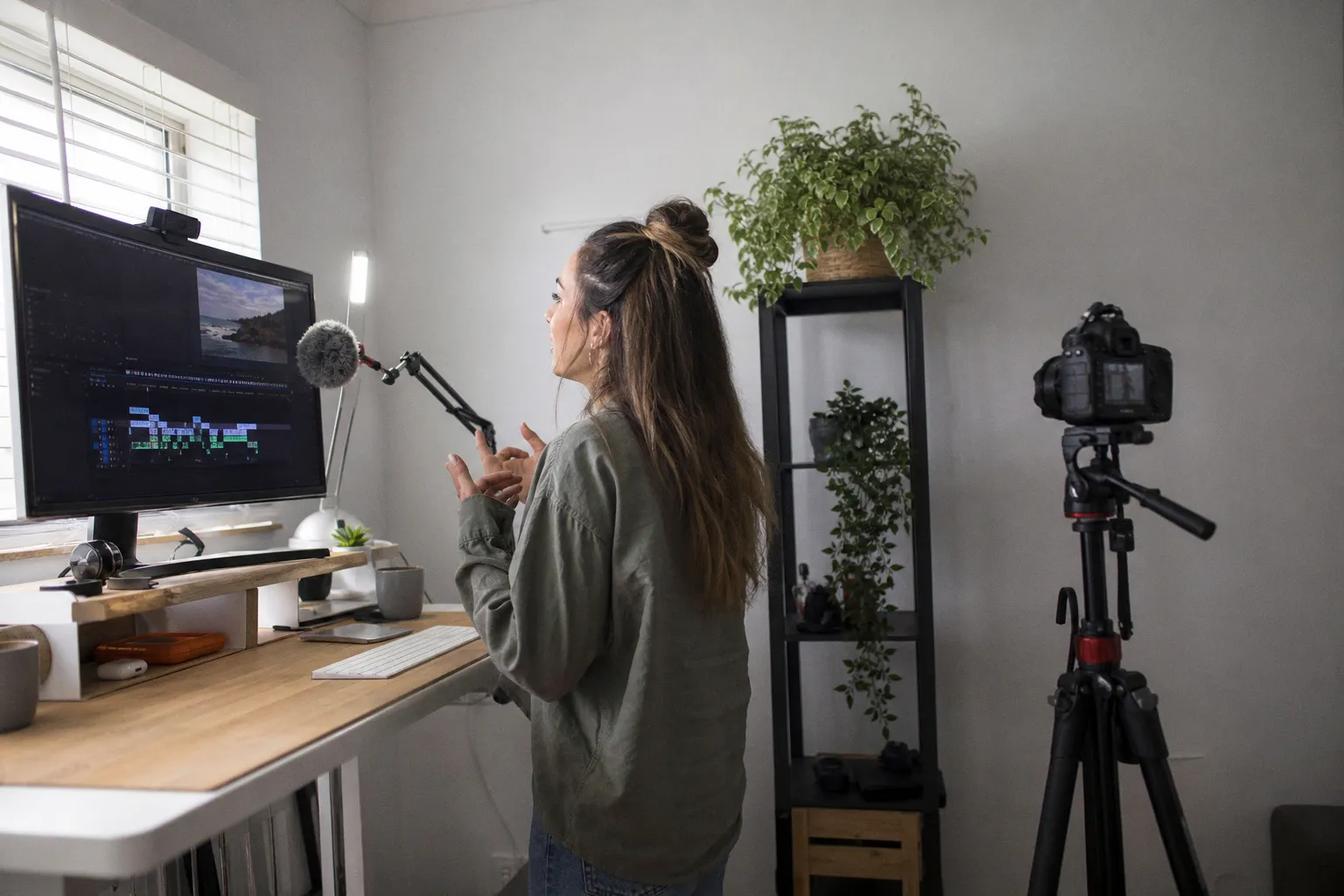
That style now sits inside a broader industry shift. The Media Online reports that the creative sector is evolving toward multi-skilled professionals who can manage production and adaptation across TikTok, YouTube, podcasts, and other formats. In that context, Dobrik’s old model looks almost like a first draft of the modern creator business: personality, production, community, format, and brand work all moving together.
What to watch now
There is no announced event date tied to a major Dobrik return in the material cited by AD HOC NEWS. The same report says he appears focused on maintaining a wider media and brand presence rather than going back to high-frequency vlogging.
That distinction is important. A creator can step away from the old rhythm without disappearing from the culture. Dobrik’s case shows how internet celebrity can become infrastructural: the person uploads less, but the editing grammar, the friend-group staging, and the authenticity performance remain embedded in the platform.
For fans and creator-watchers, the practical question is not only “Will he post like before?” It is also “Which parts of his format are still being copied, softened, or reworked elsewhere?” The answer says a lot about where YouTube culture has gone: away from one-man channels, toward small media ecosystems where every friendship can become a format and every format can become a business.