Inside VidCon 2026: Creators Are The New Media Companies
VidCon turned 15 this year and changed its title sponsor from a media platform to POP.STORE — a creator monetization company debuting an AI-powered commerce tool. That single substitution is the metric worth tracking.
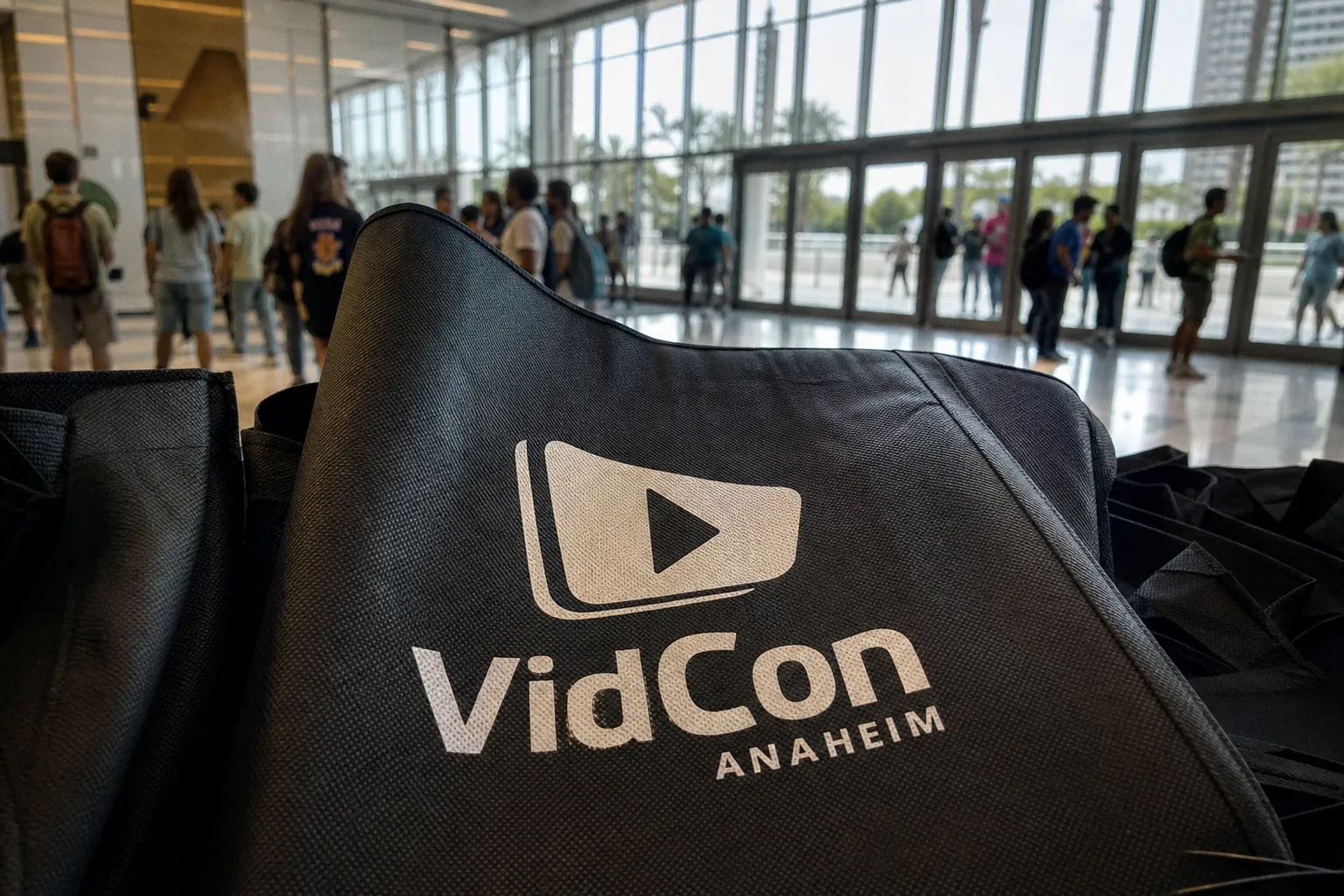
VidCon's Sponsor Swap Tells the Whole Story
The Creator Guild Is Building the Rails Nobody Wanted to Build
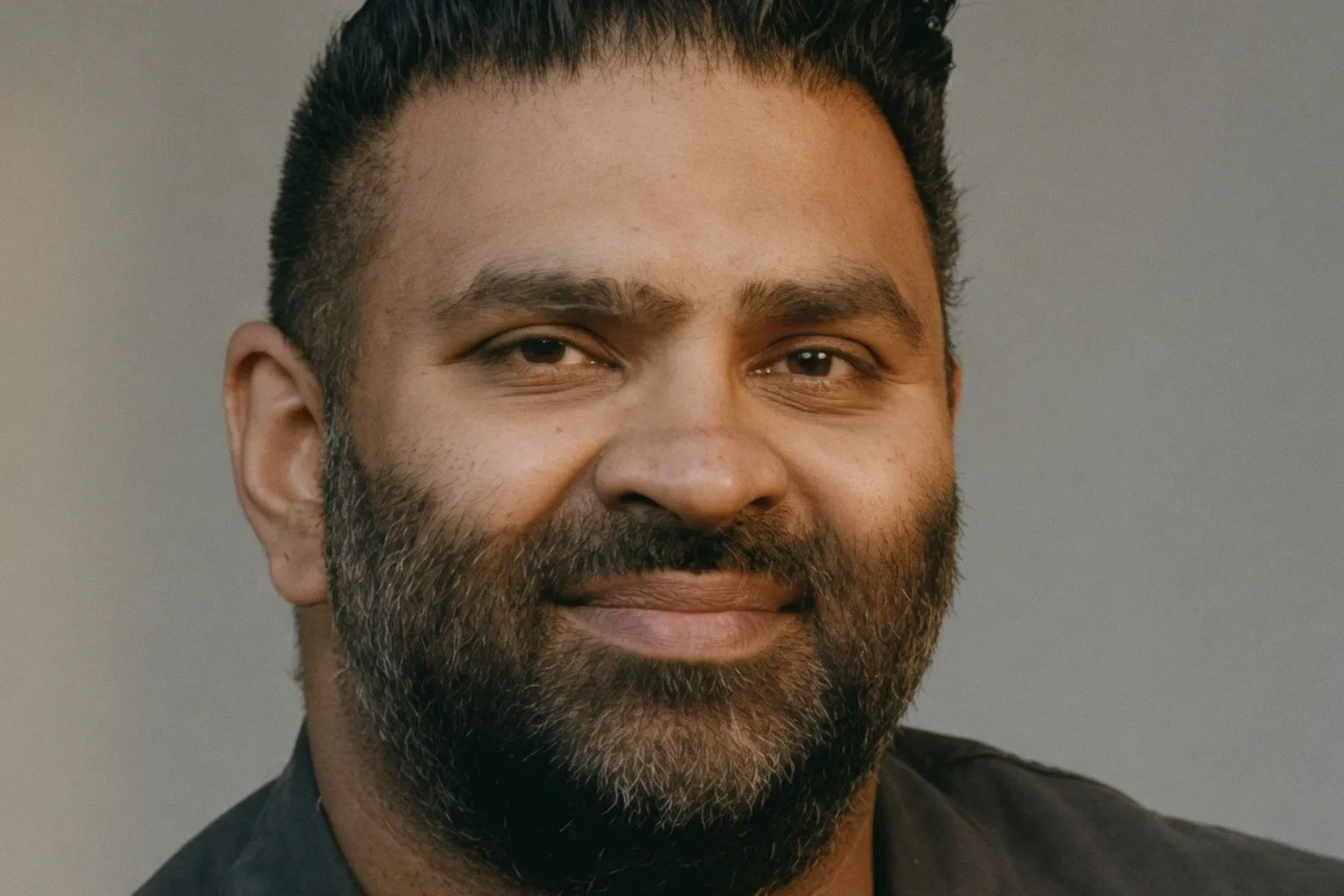
Daniel Abas, founder of the Creators Guild of America, used VidCon's Industry Leadership Summit to lay out three years of quiet construction most creators probably haven't noticed. Eligibility standards that define a professional creator. A contract rider now adopted by major brands and agencies. An IMDb-style credits system. Platform-agnostic verification for identity and brand safety. The next phase on his roadmap — healthcare access, small business tax treatment, AI and likeness rights — reads less like a creator wish list and more like the organizing agenda of a labor force that has outgrown its informal structures. SAG-AFTRA's Duncan Crabtree-Ireland reinforced the point from the institutional side: image and likeness protections matter as much to a creator with 500,000 subscribers as to a studio actor. That equivalence, spoken with union weight, marks a maturity inflection.
The IAB's Creator Economy Board, meanwhile, exists to close what remains a significant gap: creator experts and media buying experts still don't speak the same language. Bridging that gap determines whether brand dollars flow efficiently or get lost in translation.
Scaling Without Losing the Core Problem
One roundtable at the summit zeroed in on the paradox every founder-led business eventually faces: how to scale without destroying what made the operation work in the first place. Creators are confronting that question earlier and faster than most small businesses. The broader framing was equally pointed — the creator economy now represents one of the largest concentrations of small businesses in American economic history, yet it still operates with almost no organized policy advocacy to match its scale.
Markiplier's film "Iron Lung" provided the proof of concept. The distribution numbers outperformed traditional studio benchmarks, demonstrating that creator-built pipelines can compete directly with legacy infrastructure — not in engagement metrics, but in actual audience conversion.
The Bottom Line
VidCon 2026 didn't announce a product launch or a viral moment. It announced a structural transition. The creators who treat their operation as a media company — with contracts, credits, compliance, and capital planning — will capture the next wave of brand and platform investment. Those still optimizing purely for algorithmic reach are watching their ROI erode in real time. The infrastructure layer is being built whether individual creators opt in or not. The only variable is who controls it.