Over 250,000 active influencers in Nigeria as creator economy booms, redefines entertainment industry
Nigeria’s creator class is living inside a strange contradiction: the internet has made influence feel more reachable than ever, while making real distinction harder to earn.
Nigeria’s entertainment map is being redrawn by creators
According to Tribune Online, Nigeria’s entertainment landscape is undergoing a structural transformation, with online content and streaming platforms reshaping an industry once organized around cinema schedules, cable television programming, and traditional gatekeepers.
The important detail is not simply that more people are posting. It is that distribution itself has changed. The older hierarchy — studios, broadcasters, theatrical releases, fixed programming slots — is being challenged by creators who can publish directly on YouTube, TikTok, Instagram, and video-on-demand platforms.
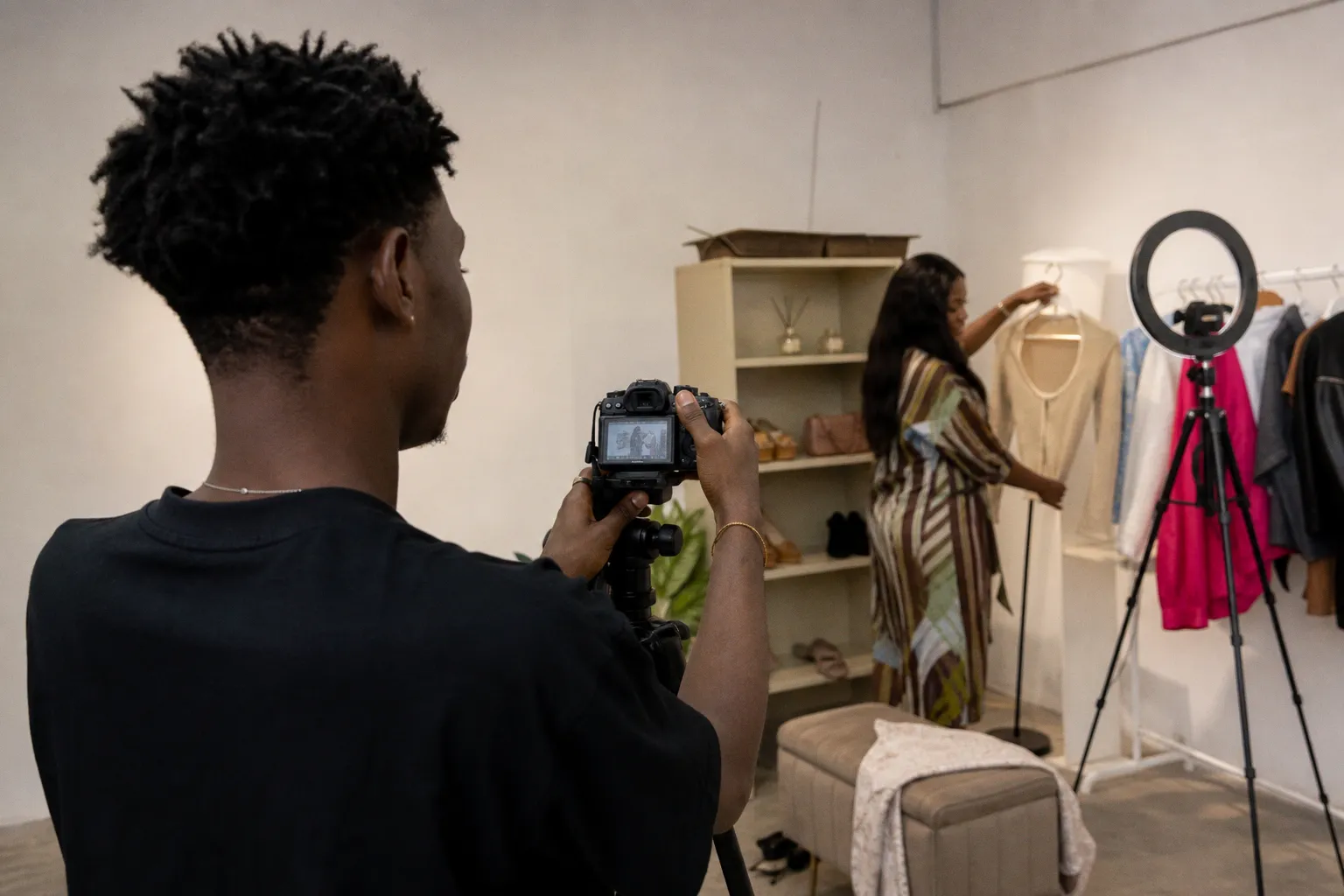
That makes the Nigerian creator economy feel less like a side lane of entertainment and more like a parallel infrastructure. A filmmaker in Surulere or a tech enthusiast in Ibadan, Tribune notes, can reach audiences far beyond their immediate city with a smartphone and a reliable internet connection. The image is almost too neat, but it captures the core shift: the creator is no longer waiting at the door of the media industry. In many cases, they are building their own entrance.
The real battle is no longer access — it is distinction
For creators, the most practical takeaway is blunt: getting online is not the hard part anymore. Being legible, memorable, and trusted inside a crowded feed is.
Tribune’s analysis points to a saturated market where the challenge has moved from distribution to distinction. The age of broad, generic content is losing some of its power, while micro-niches are becoming more important. That is a familiar pattern across creator culture: once a platform matures, authenticity performance becomes more specific. Viewers stop rewarding “content” in the abstract and start rewarding repeatable identity, expertise, tone, and usefulness.
Educational content — or “edutainment” — is named as one area where Nigerian creators are finding traction. The examples cited include coding tutorials, digital marketing strategies, vocational training, and other skill-focused formats. The reason is cultural as much as commercial: educational creators can build trust and authority, not just visibility. That kind of parasocial architecture is sturdier than a one-off viral moment because the audience is not only watching; it is depending.
Localized lifestyle and niche documentation are also described as high-potential areas. That matters because “local” does not mean small online. In a mobile-first media environment, the most resonant creator may be the one who documents a place, habit, language, or social rhythm with enough specificity that it becomes recognizable far outside its original context.
What this means for the next generation of internet fame
The Nigeria figure sits beside a broader industry signal: Influencer Marketing Hub reports that 617 Collective is planning to deploy up to $100 million into acquisitions and partnerships with founder-led agencies across influencer marketing, talent management, PR, and creative services. Different market, different story — but the cultural pattern rhymes. Creator attention is no longer being treated as informal internet noise. It is being packaged, financed, managed, and scaled.
For Nigerian creators, that raises the stakes. A larger creator economy can bring opportunity, but also more professional pressure: clearer positioning, stronger production habits, sharper audience understanding, and a more deliberate sense of what each channel is for. Hyper-visibility alone is not a career strategy.
The practical question for emerging creators is therefore not “How do I become an influencer?” It is more precise: What underserved audience do I understand well enough to serve repeatedly? What format can I sustain? What kind of trust am I building — entertainment, expertise, access, companionship, or documentation?
Nigeria’s reported 250,000-plus active influencers are not just chasing attention. They are participating in a new arrangement of cultural power, where the screen is smaller, the audience is more demanding, and the route to celebrity is less centralized than before. That does not make the path easier. It makes it more open — and far more competitive.