The Administrative Work No One Warns Content Creators About
Forbes just put a spotlight on the least glamorous part of creator life: the admin grind — pitching brands, negotiating contracts, chasing invoices, managing timelines, answering emails, and somehow…

Forbes just put a spotlight on the least glamorous part of creator life: the admin grind — pitching brands, negotiating contracts, chasing invoices, managing timelines, answering emails, and somehow still posting like the algorithm isn’t breathing down your neck. That matters because the creator economy loves selling the “just make content” fantasy, while a lot of actual creators are quietly running solo businesses with small-company workloads and basically no back office.
The “invisible roles” are eating the creative day
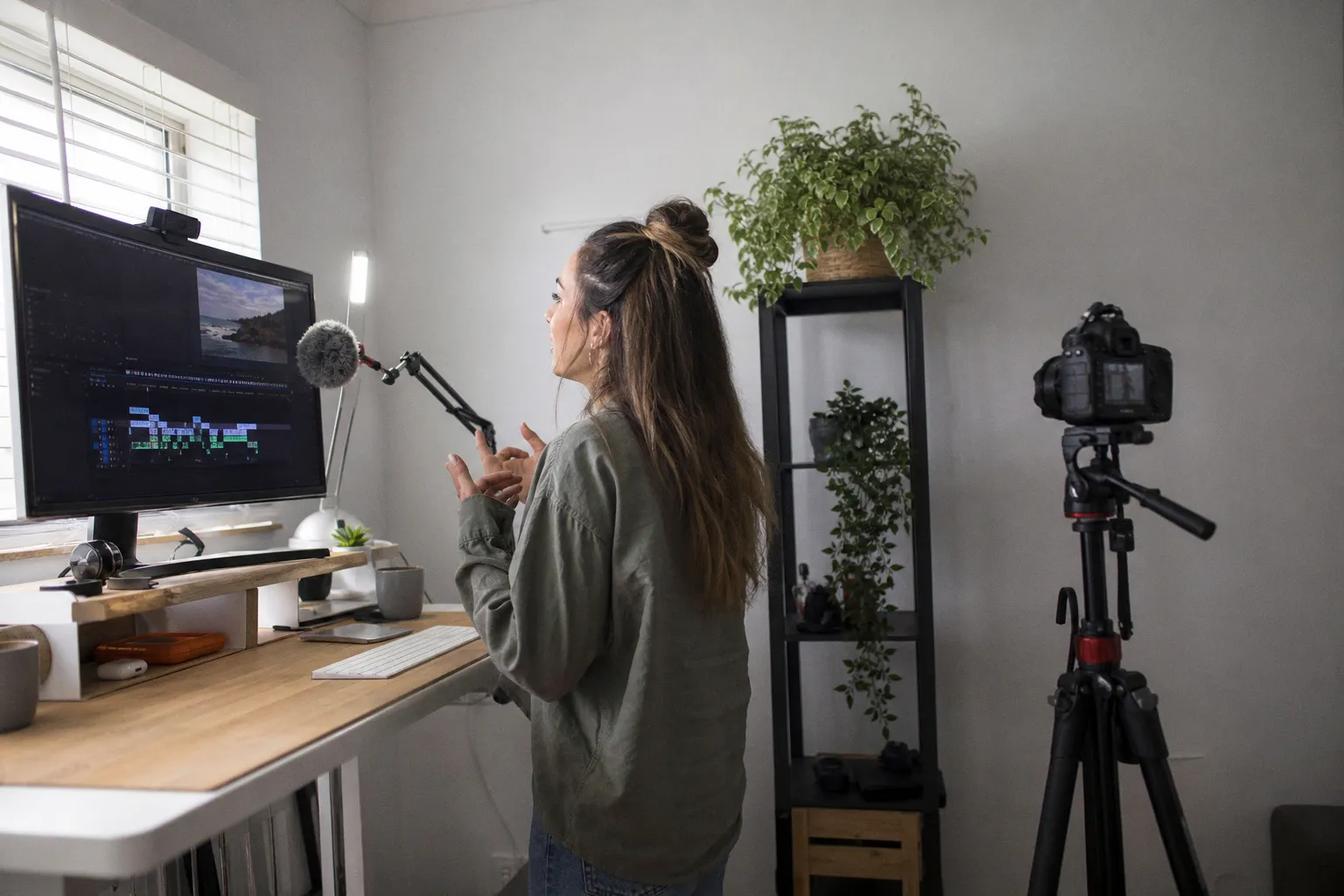
The clean feed version of creator work is: film, edit, post, repeat. The less TikTok-friendly version, according to Forbes, is that creators are also acting as accountants, project managers, customer service reps, and contract readers — often alone.
Creator Andrales Abreu, who Forbes identifies as having over 30k Instagram followers, put it bluntly: content is only about half the job. Behind every Reel, she said, are hours of brand pitching, contract negotiation, and invoice tracking.
That’s the part audiences rarely see and brands sometimes treat like it magically happens offscreen. But for creators, especially the ones still building without a full team, this is the real meta: the better your content performs, the more operational chaos you inherit. More inbound emails, more deliverables, more timelines, more “can you just tweak this?” brand notes — and more chances to lose money because a contract, invoice, or deadline got mishandled.
Some creators are building systems — because winging it stops working
Forbes also cites creator Reagan Baylee, listed as having over 179k Instagram followers, who has moved her business onto Monday.com and employs a full-time assistant. Her admin stack includes brand deals, emails, contracts, timelines, invoicing, and coordinating content across multiple platforms.
That detail is the whole story in miniature. The creator who looks “independent” to viewers may actually need a mini-ops department just to stay sane. Not because they’re being dramatic, not because they’re bad at the grind, but because publishing across platforms while managing paid work is not one job — it’s several jobs wearing a hoodie.
Rachael Austin, described by Forbes as an Instagram creator with 92k followers, said the admin tasks can end up taking more of the day than the actual creating. That is the sentence every aspiring influencer should screenshot before romanticizing the lifestyle. The burnout point doesn’t always come from posting too much; sometimes it comes from trying to be talent, manager, bookkeeper, scheduler, and legal department in the same afternoon.
What creators should actually check before the next brand deal
The practical takeaway here is not “quit before you start” — that’s loser chat energy. It’s that creators need to treat admin as part of the craft, not as a random side quest that can be ignored until tax season or until a brand payment goes missing.
Forbes notes that some creators use tools like Notion, bring on assistants, or look to companies such as DUPAY for help managing invoices and contracts. The bigger point: systems are no longer optional once content becomes a real business. At minimum, creators should know where every pitch, contract, deadline, invoice, and approval status lives — not scattered across DMs, email threads, and vibes.
The contract piece deserves extra attention. Forbes reports that lack of legal expertise around contracts can lead to significant financial losses. That doesn’t mean every creator suddenly needs to cosplay as a lawyer, but it does mean “I skimmed it at 1 a.m.” is not a business process. If the deal affects usage rights, payment timing, deliverables, or revisions, it needs slower eyes.
Ad Age is also tracking creator and influencer trends for brand marketers right now, while other recent coverage has pointed to creator ads and survival amid changing trends. The signal is pretty loud: brands are still circling the space, trends keep shifting, and creators who want to last need more than charisma and a camera roll.
So yes, the content still has to hit. The community still has to feel real. The stream, Reel, TikTok, or upload still has to carry the parasocial spark without turning toxic. But behind the screen, the W community move may be less glamorous: build the spreadsheet, track the invoice, read the contract, and stop pretending admin is separate from being a creator. The lingering question is whether platforms and brands will start respecting that workload — or keep letting solo creators mald through the business side in silence.