The next creator economy won’t be built around entertainment
44% of Twitch viewers want sports coverage traditional media won't deliver. 29% say they're more invested in this World Cup than the last one.
The conventional playbook — entertain, capture attention, monetise eyeballs — is hitting algorithmic decay. What's replacing it isn't a shinier content pipeline. It's community infrastructure.
Community as the new broadcast layer
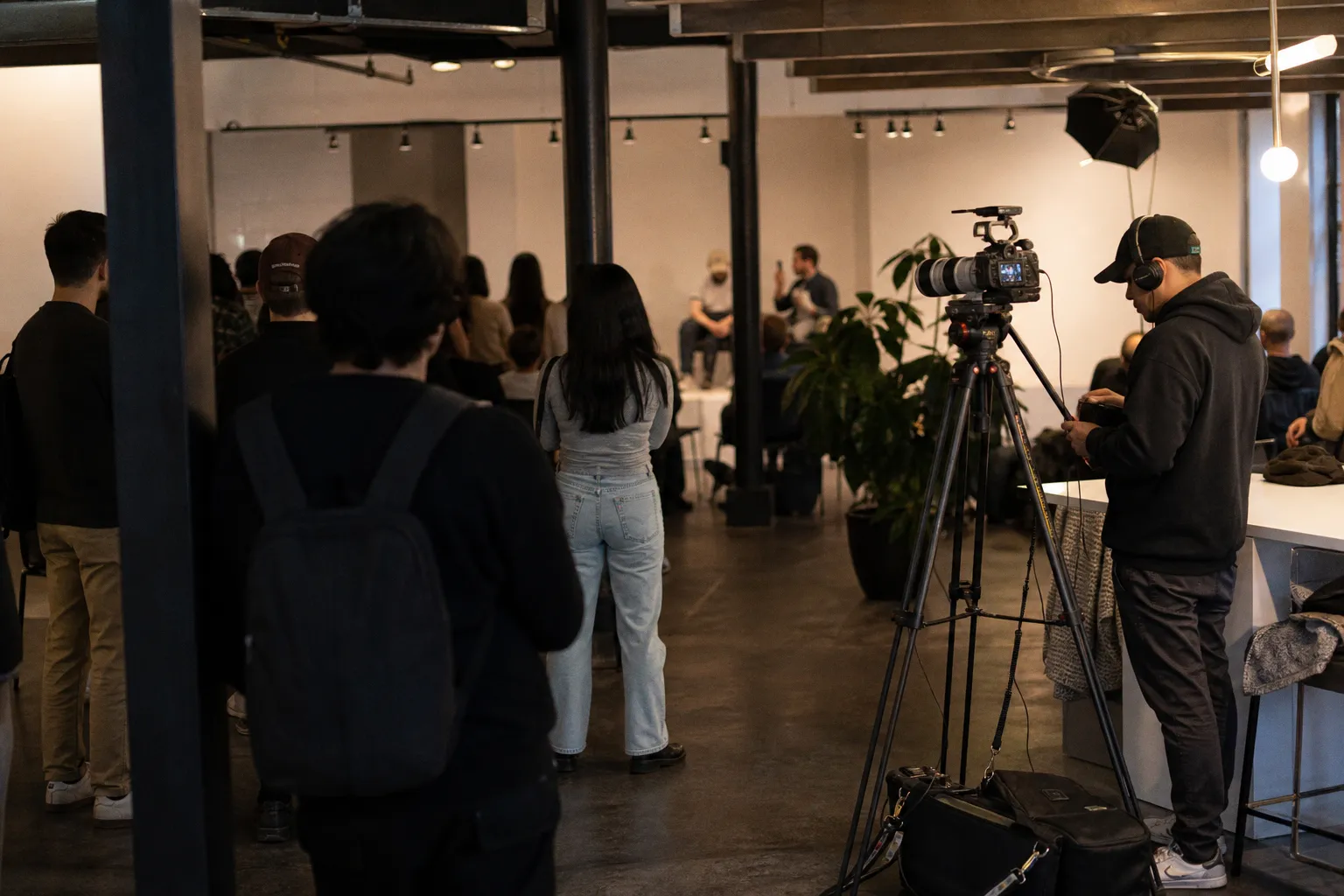
At the 2026 FIFA World Cup, creator-led livestreams on Twitch and YouTube aren't supplementary coverage. They're a parallel broadcast built around communal viewing. Twitch CEO Dan Clancy frames it bluntly: sports aren't about watching elite athletes — they're about shared experience. His analogy is a virtual sports bar, not a passive feed.
The structural implication: creators who build community-centric formats command higher engagement per viewer than traditional one-way distribution. Leagues that treat streaming platforms as mere distribution channels — "just put the game on YouTube" — miss the conversion funnel entirely.
AI lowers the cost of community infrastructure
The more significant signal came earlier this year, when MrBeast assembled a dedicated team to build AI-powered infrastructure for creators. Not more content. Infrastructure. That's a pivot from production to platform economics.
AI compresses the operational cost of running a community:
- Content creation scales without proportional headcount.
- Communication personalises at volume.
- Research, planning and administration that once demanded teams now run through individuals.
The result isn't just productivity gains for existing creators — it's a lower barrier to entry for a new class of "impact entrepreneurs" who organise around policy, healthcare, education, or neighbourhood-level problems rather than entertainment. The EU-Startups thesis is blunt: the next wave of creator businesses won't sell cosmetics or energy drinks. They'll mobilise communities around real-world outcomes.
Where the ROI shifts
For anyone running a creator business or evaluating the space, three directional markers are worth tracking:
- Monetisation models are migrating from ad impressions toward structured yield — community subscriptions, tokenised access, and real-world asset structures that tie creator output to tangible value. The mechanics aren't theoretical anymore; the infrastructure for tokenizing real-world assets in DeFi is maturing alongside creator platforms.
- Audience data from Twitch's World Cup experiment confirms the funnel: communal formats drive higher retention and fandom intensity than passive broadcast.
- Government and institutional interest is rising — from Andhra Pradesh hosting its first Creator Economy Summit to academic centres lobbying on Capitol Hill.
The bottom line: entertainment built the creator economy's first billion-dollar phase. Community infrastructure — powered by AI, validated by live-event data, and increasingly tied to real-world value — is the next one. Creators still selling pure attention are operating on yesterday's model.