‘How social media fame became business’
Fame used to be the byproduct. Now it's the product — and the balance sheet tells the whole story.
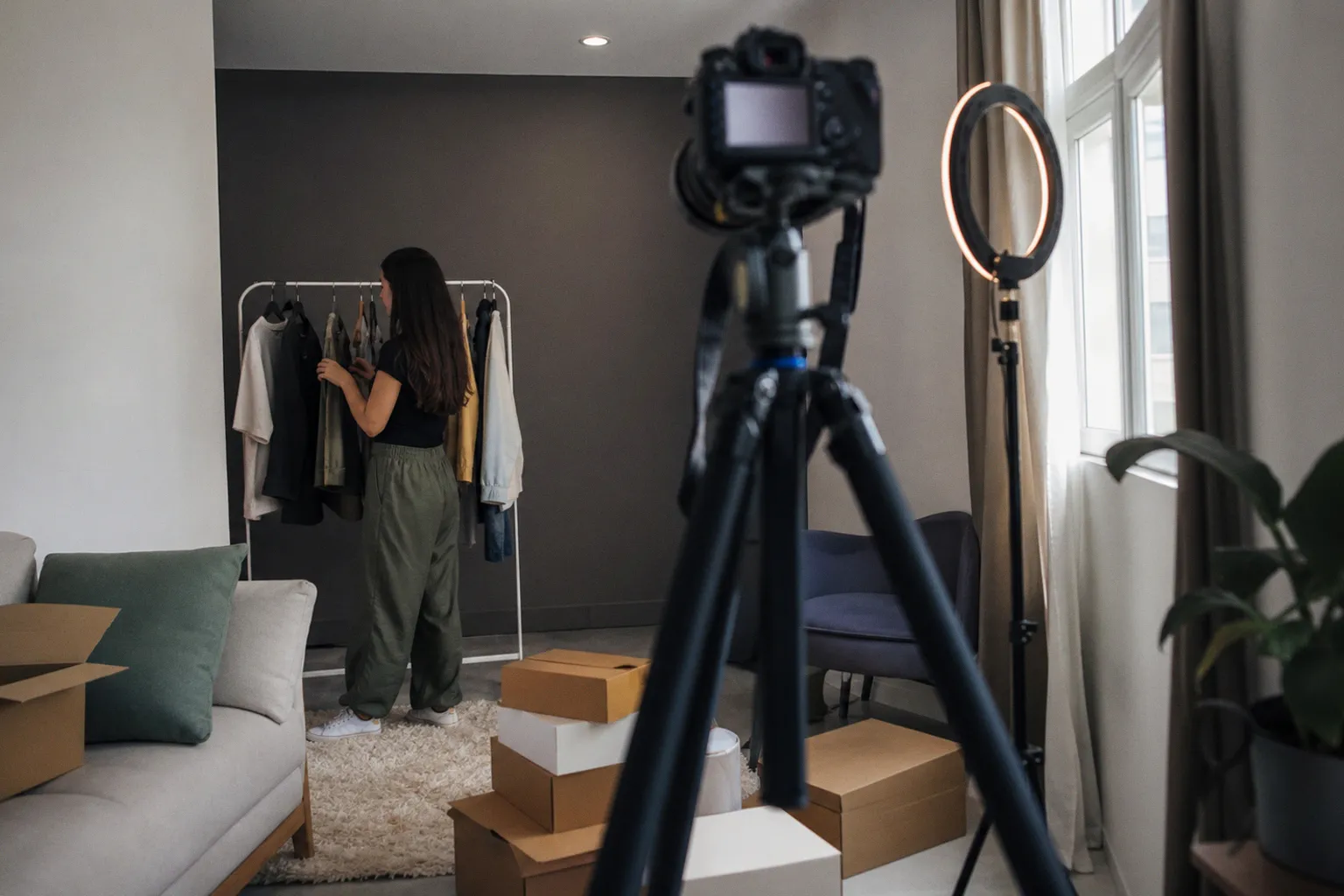
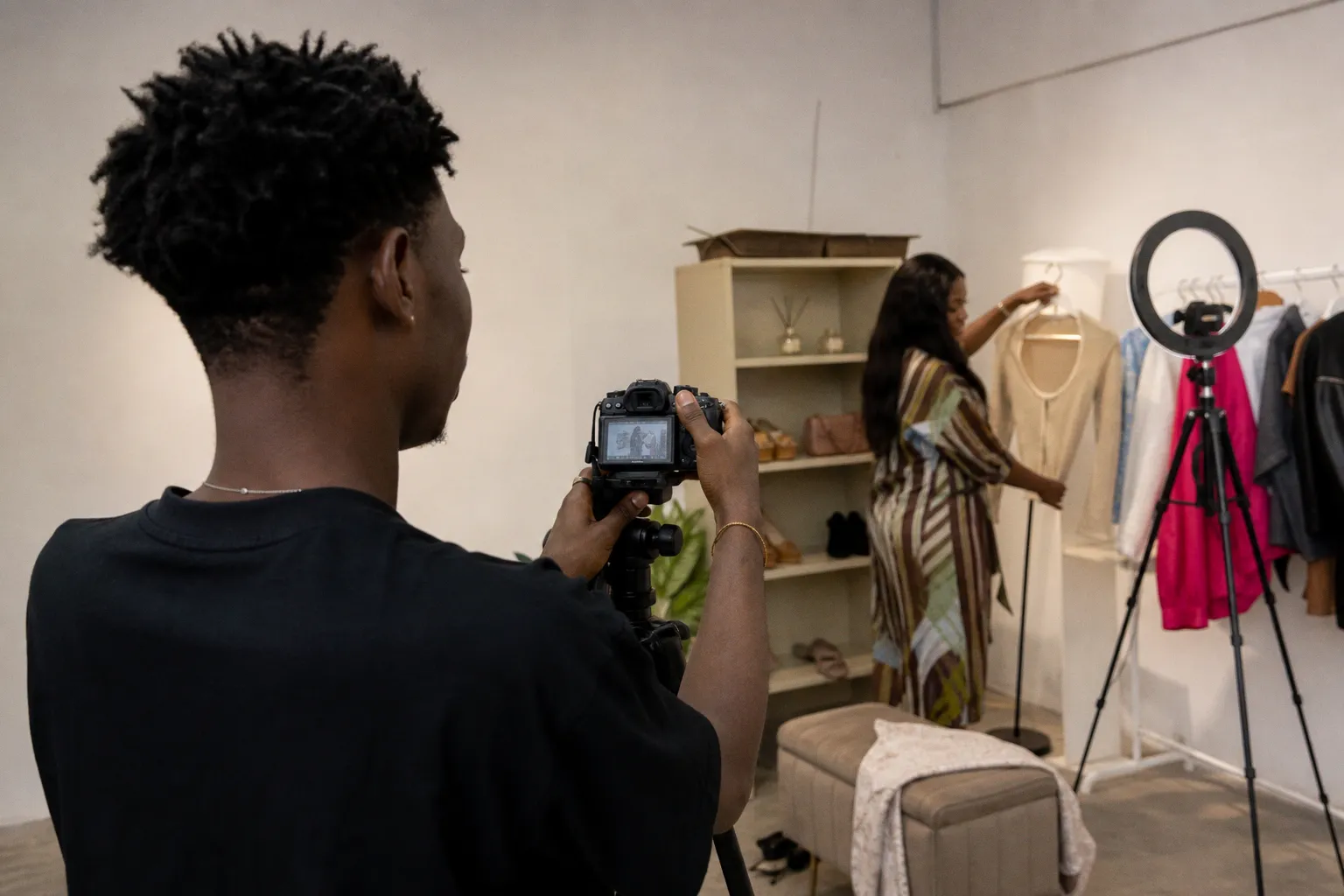
Recent coverage across outlets from The Guardian Nigeria to Sci-Tech Today is circling the same structural thesis: the pipeline from social visibility to revenue-generating business is no longer a side effect of going viral. It's the default operating model. When actors are migrating from ad spots and social media clips directly into film careers, the traditional talent pipeline has been gutted and rebuilt around follower counts and engagement rates.
The Attention Economy Hits a Maturity Phase
What's notable about the current moment is that the conversation has shifted. We're past the "is influencing a real job?" debate. The data — attention-span tracking, platform engagement metrics, conversion benchmarks — now treats creator output as media inventory. Every post is an impression slot. Every follower is a monetisable unit. The language isn't aspirational anymore; it's transactional.
The implication for anyone building an audience: your content calendar is a production schedule, your comment section is a focus group, and your brand deals are licensing agreements. Treat them accordingly.
The Crossover Pipeline Is Replacing Casting Calls
MSN's recent piece on actors pivoting from social media and advertising visibility into film roles underscores a structural shift in talent acquisition. Studios and casting directors are no longer just scouting for skill — they're scouting for pre-built distribution. An actor with 2 million engaged followers brings guaranteed opening-weekend awareness that a traditional marketing campaign would cost millions to replicate.
This isn't meritocracy collapsing. It's economics optimising. The ROI on a creator-turned-actor with existing reach simply outperforms the old model of unknown talent plus heavy ad spend. Whether the art suffers is a separate conversation — the market has already voted with its budget allocations.
Algorithmic Decay: The Unspoken Variable
What none of the coverage addresses head-on is the shelf life problem. Attention-span data suggests shrinking windows of audience patience, which means the half-life of any given creator's relevance is compressing. The business model works — until the algorithm shifts, the platform pivots its monetisation tiers, or audience fatigue sets in.
Smart operators are already diversifying: owned platforms, product lines, media production arms. The ones still optimising purely for reach on rented land are one algorithm update away from a revenue cliff.
What to Watch
Three structural indicators matter here. First, the rate at which traditional media companies acquire or partner with creator-led brands — it signals whether legacy players see creators as competitors or acquisition targets. Second, platform revenue-sharing changes, which directly impact creator P&L. Third, audience retention data across demographics, because attention-span contraction hits different cohorts at different rates.
The bottom line: social media fame didn't become business by accident. It became business because the economics made it inevitable. The creators who understand they're running media companies — not "sharing their passion" — will be the ones still relevant in 2028.