As Institutional Money Flows Into Creator Content, Curbily Is Building the Studio Infrastructure Behind It
We’re watching the same movie play out on loop—a creator blows up, gets a budget, hires their buddies, bleeds money, and eventually posts the “I’m leaving YouTube” video.
The Production Wall Is Real, and It’s Breaking Creators
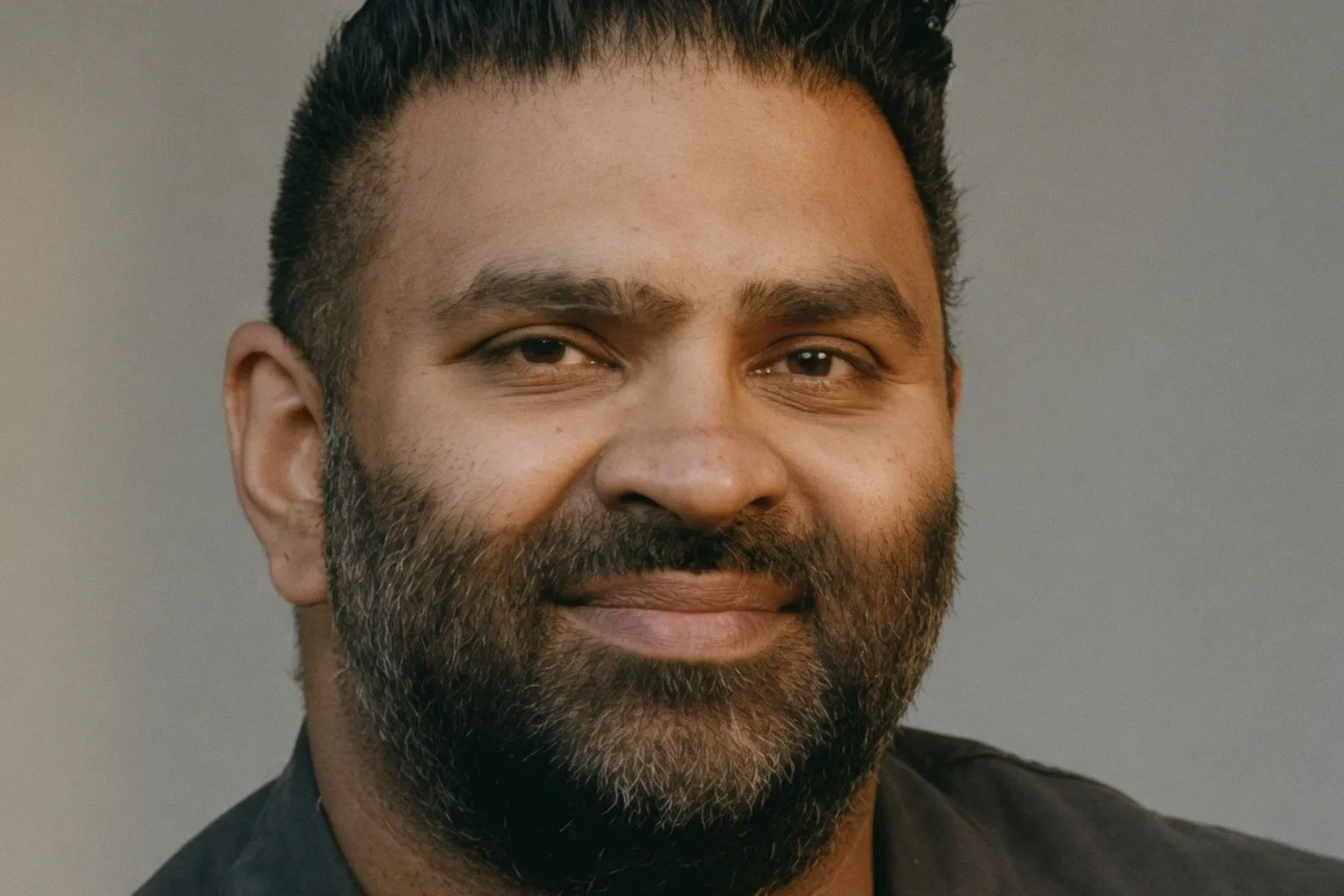
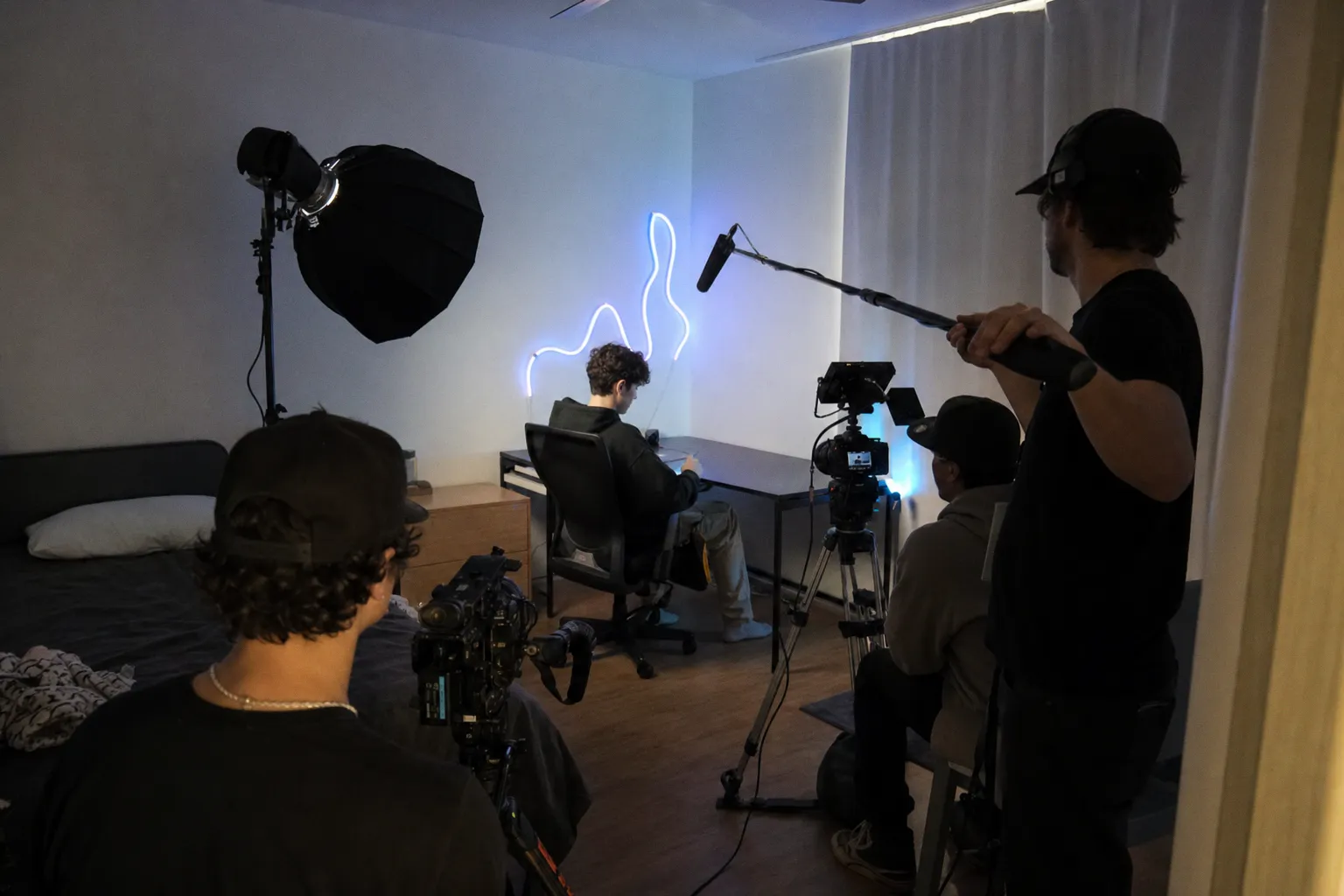
The problem isn’t going viral; it’s what happens next. Jon Barnett, Curbily’s co-founder, spent years at pocket.watch and Jellysmack watching top-tier creators hit a production wall they had no framework for. The standard playbook was pure chaos—Excel sheets duct-taped together, friends hired for jobs they’d never done, budgets tracked by “vibes” until the bank account is suddenly screaming.
“It always breaks my heart when I see someone say, ‘I’m leaving YouTube,’” Barnett says. “It’s always the same reason. It’s just too much.” He’s not talking about the content grind itself, but the logistical nightmare that shadows any channel trying to professionalize. Traditional software like Movie Magic or StudioBinder? Built for the three-movies-a-year tempo, not a creator who needs three videos this week.
For related context, see T1 vs Bilibili Gaming peaks at 2M viewers as esports betting markets heat up.
For related context, see Naomi Osaka's Net Worth in 2026: Prize Money, Career Earnings & Endorsement Deals.
Curbily’s Two-Sided Playbook for Scaling Chaos
Curbily’s pitch is a two-sided platform. On the Studio side, it’s an AI line producer: you drop in a concept or script and, in about ten minutes, get a full script breakdown, shot list, budget, and schedule. The Creator Campaign side is a matchmaking hub for brands, currently connecting to a network of 2,900 creators managed by 60 talent firms. The idea is to inject some institutional sanity into the scene without killing the authentic voice that built the audience.
Pricing is slated for $79.99 a month, though early users are riding free while the tool gets refined. A crew network runs parallel—DOPs, sound ops, and other pros can register for free and get location-based gig suggestions. It’s a system built on the premise that creators and crews need each other, but the market has never given them an efficient way to connect.
The “Age of Relevance” vs. The Infrastructure Gap
This push comes as the broader streaming economy is making a hard pivot. A recent report from Dentsu calls it a shift from an “age of abundance to an age of relevance.” Audiences, especially Gen Z, aren’t just attention-poor; they’re tolerance-poor. They’ll deep-dive into stories that resonate but bounce instantly from generic, repetitive content.
That puts insane pressure on the quality and cultural impact of every piece of content, not just the viral hit. For creators, the “W” is no longer just cracking the algorithm—it’s building a sustainable production machine that can deliver consistent, resonant work without the creator themselves burning out. The missing piece has always been the boring stuff: logistics, scheduling, budgets.
The big question hanging over this whole trend is whether institutional money and slick AI tools can actually solve the burnout cycle, or if they just help creators scale their anxiety to new heights. Can a platform like Curbily be the back-end that lets the artist stay in front of the camera, or does it just add another layer of complexity to the ever-growing meta? We’re about to find out.